
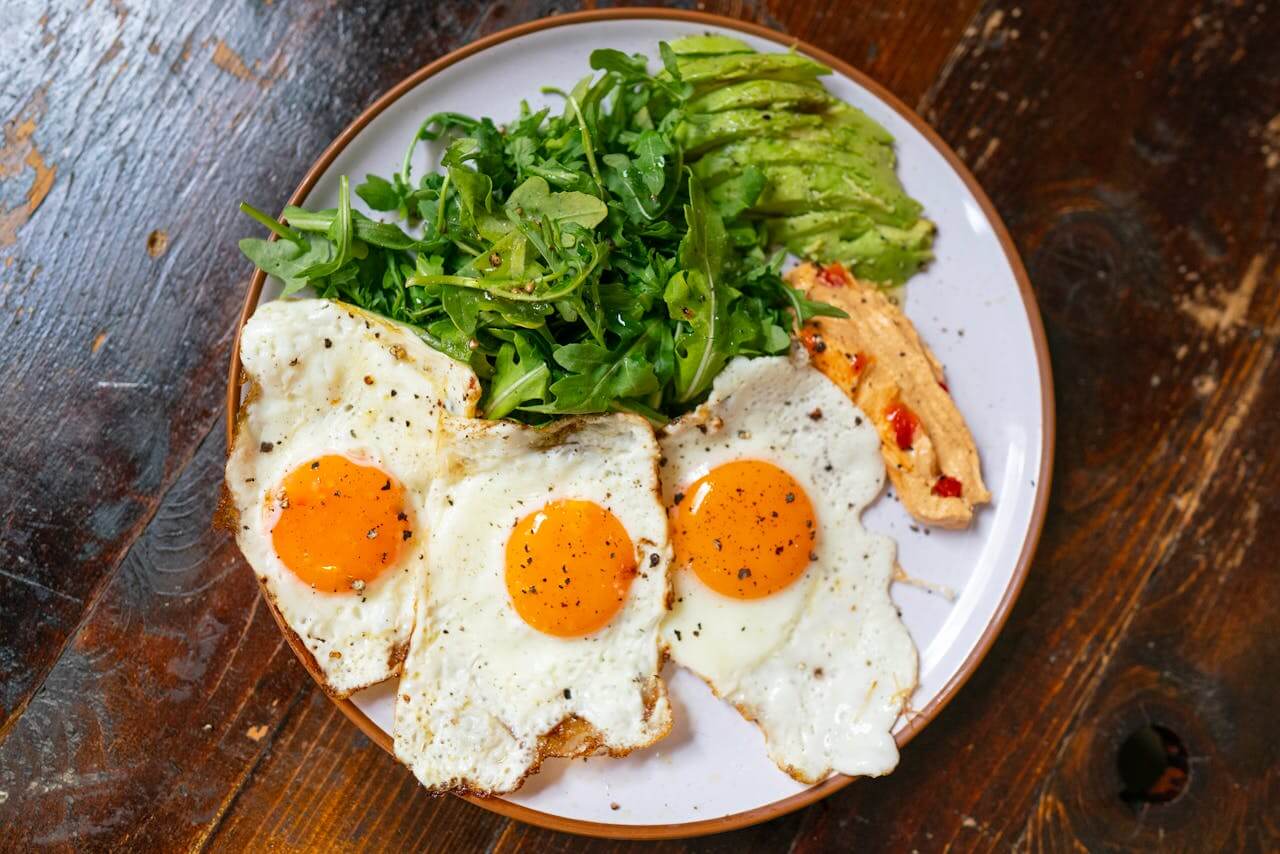
If you’re searching for a keto PCOS meal plan, you’re likely trying to manage insulin resistance, reduce cravings, or lose weight.
A ketogenic diet is a very low carb way of eating that may help improve blood sugar control, which is important because insulin resistance is common in PCOS.
At the same time, keto can feel restrictive, and it’s not the right approach for everyone.
In this guide, you’ll get:
a 7-day keto PCOS meal plan
clear carb targets (20–50g per day)
simple food ideas and swaps to make low carb easier
Can a Keto Diet Help with PCOS?
A keto or very low carb diet may help some people with PCOS, especially those dealing with insulin resistance.
According to research, lower carbohydrate diets can improve insulin sensitivity and metabolic markers associated with PCOS.
PCOS is strongly linked to insulin resistance, which affects blood sugar, hunger, and hormone balance.
At the same time, research is still developing, and keto may not be necessary for everyone. Some people do better with a more moderate approach.
If you’re not sure about strict keto, your low carb PCOS meal plan or low GI PCOS meal plan may be easier to maintain.
Based on my observation of Reddit PCOS diet discussions from r/PCOS, r/PCOSPhilippines, and r/adultingph, the keto diet appeared in about 10% of diet-related comments from women trying to manage PCOS symptoms.
Many users who tried keto reported weight loss, reduced cravings, and better appetite control, especially during the first few months. Some also mentioned improvements in bloating and energy levels.
The discussions showed that keto was often combined with intermittent fasting and higher protein intake. Common foods mentioned included eggs, meat, fish, low-carb vegetables, cheese, and healthy fats while avoiding rice, bread, sugary drinks, and processed snacks.
From these discussions, I noticed that keto worked well for some women short term, particularly those focused on weight loss and insulin resistance. However, many users also shared that strict keto was difficult to maintain long term because of cost, social eating, and how restrictive it felt in daily life, especially in the Philippines where rice is a staple food.
Current PCOS guidance continues to focus on sustainable lifestyle changes and balanced nutrition, since long-term consistency tends to play an important role in managing symptoms.
How Many Carbs on Keto for PCOS?
A typical keto diet includes:
Strict keto: 20–30g net carbs per day
Moderate low carb: up to 50g per day
This range helps reduce blood sugar spikes and keeps the body in a low-carb state.
You don’t need to be exact every day. The goal is consistency over time.
What to Eat on a Keto PCOS Diet
Protein
Eggs
Chicken
Fish (bangus, sardines, tuna)
Tofu
Low Carb Vegetables
Spinach
Kangkong
Cabbage
Broccoli
Cauliflower
Healthy Fats
Avocado
Olive oil
Coconut oil
Nuts and seeds
What Foods to Limit on Keto
White rice
Bread and noodles
Sugary drinks
Pastries and desserts
Processed snacks
If reducing rice is your biggest challenge, your white rice alternatives guide can help you transition gradually.
What are Simple Keto Food Swaps
Instead of white rice try cauliflower rice
Instead of bread try lettuce wraps
instead of sugary drinks try water or unsweetened tea
Snacks: boiled eggs or nuts
How to Build a Keto PCOS Meal
Each meal should include:
protein
low carb vegetables
healthy fats
Example: Grilled chicken + sautéed cabbage + avocado
Day 1
Breakfast:
2 scrambled eggs cooked in coconut oil, served with fresh avocado slices and a pinch of salt.
Lunch:
Grilled chicken breast with a side of sautéed mixed vegetables (carrots, bell peppers, zucchini, and eggplant) in olive oil, seasoned with garlic, salt, and pepper.
Dinner:
Sardines sautéed with garlic, onions, and tomatoes, paired with kangkong (water spinach) sautéed in garlic and olive oil.
Day 2
Breakfast:
Veggie-packed omelet with spinach, mushrooms, and bell peppers, cooked in butter and topped with a sprinkle of cheese (if part of your diet).
Lunch:
Tuna salad with olive oil, fresh cucumber, tomato, and a bit of red onion, seasoned with calamansi (Filipino lime) juice and salt.
Dinner:
Tofu stir-fry with broccoli, cauliflower, and bell peppers, cooked in coconut oil and seasoned with soy sauce (low-sodium), ginger, and garlic.
Day 3
Breakfast:
2 boiled eggs, served with a small handful of mixed nuts (almonds, walnuts, or cashews).
Lunch:
Stir-fried chicken with shredded cabbage, seasoned with fish sauce, garlic, and a touch of chili for heat.
Dinner:
Grilled bangus (milkfish) served with sautéed squash and green beans, seasoned with garlic and fish sauce.
Day 4
Breakfast:
Omelet with avocado and a side of sautéed tomatoes and spinach in olive oil.
Lunch:
Tuna and vegetable bowl with sautéed green beans, zucchini, and eggplant, tossed with olive oil, garlic, and chili flakes.
Dinner:
Stir-fried tofu with broccoli, mushrooms, and bok choy in coconut oil, flavored with soy sauce and sesame oil.
Day 5
Breakfast:
2 scrambled eggs with avocado slices, seasoned with salt and pepper.
Lunch:
Grilled chicken salad with mixed leafy greens (lettuce, arugula, or kale), cucumbers, and a dressing made from olive oil, vinegar, and a squeeze of calamansi.
Dinner:
Pan-seared tilapia fillets with a side of sautéed vegetables like zucchini, bell peppers, and cauliflower, cooked in coconut oil and garlic.
Day 6
Breakfast:
Veggie omelet with bell peppers, spinach, and onions, cooked in butter and topped with a sprinkle of cheese (optional).
Lunch:
Sardines sautéed with garlic, onions, and tomatoes, served with steamed green beans and a drizzle of olive oil.
Dinner:
Tofu stir-fry with bok choy, mushrooms, and snow peas, cooked in sesame oil with a hint of ginger and soy sauce.
Day 7
Breakfast:
2 boiled eggs with a small handful of mixed nuts (almonds, walnuts, cashews).
Lunch:
Grilled chicken thighs with a side of sautéed vegetables (broccoli, zucchini, and mushrooms) in olive oil and garlic.
Dinner:
Light vegetable stir-fry with bok choy, snow peas, and cauliflower, flavored with soy sauce, ginger, and a dash of sesame oil.
Recommended Keto Snacks for PCOS
Boiled eggs (seasoned with salt and pepper)
A handful of mixed nuts (almonds, walnuts, cashews)
Cheese (if included in your diet, opt for a mild cheddar or mozzarella)
Canned tuna in olive oil (serve with cucumber slices or as part of a small salad)
I suggest Gold Seas Olive Oil canned tuna. It's a bit pricy but way better than other canned tuna brands.
Is Keto Safe for PCOS Long-Term?
Keto can work for some people, but it’s not always easy to maintain.
Research suggests that long-term success often depends on choosing a diet you can stick to consistently.
If keto feels too restrictive, a more balanced approach like your low GI PCOS meal plan or high protein PCOS meal plan may be a better fit.
Common Mistakes on a Keto PCOS Diet
cutting carbs too aggressively
not eating enough fiber
relying on processed “keto” foods
skipping meals
A balanced approach works better than extreme restriction.
Who This Keto PCOS Meal Plan Is Best For
This works well if you:
have insulin resistance
struggle with cravings
prefer structured, low carb eating
How This Compares to Your Other Meal Plans
Low carb PCOS meal plan: less restrictive
Low GI PCOS meal plan: focuses on slower-digesting carbs
High protein PCOS meal plan: focuses on hunger and satiety
Vegetarian pcos meal plan or vegan pcos meal plan: focus on food preferences
This keto plan is the most restrictive but can be helpful for blood sugar control.
Final Thoughts
A keto PCOS meal plan can help improve blood sugar and reduce cravings, but it’s not required for everyone.
Focus on:
reducing refined carbs
eating enough protein
choosing a plan you can maintain
That consistency matters more than following a strict diet perfectly.