If you’re searching for a high protein PCOS meal plan, you’re probably dealing with constant hunger, cravings, slow weight loss or maybe you're hitting the gym and need to build some muscle.
One of the simplest ways to improve this is to increase your protein intake.
Most people with PCOS aren’t eating enough protein to stay full. That’s why they feel hungry soon after meals or struggle to stick to a plan.
In this guide, you’ll get:
a 7-day high protein PCOS meal plan
simple meals with 80-100g of protein per day
examples of what 20-30g of protein per meal actually looks like
How Much Protein Do You Need for PCOS?
Based on current research, many experts suggest that women with PCOS may benefit from:
1.2 to 1.6 grams of protein per kilogram of body weight daily
or about 0.54 to 0.73 grams per pound
Source:
Why a High Protein Diet Helps with PCOS
Protein affects how your body handles food. When meals are low in protein and high in refined carbs, you may notice:
hunger shortly after eating
energy crashes
stronger cravings
Higher protein meals can help:
slow digestion
reduce spikes in blood sugar
keep you full longer
builds muscles
This is especially useful if your goal is weight loss or appetite control.
What women with PCOS think about high-protein diets
Based on my observation of Reddit PCOS diet discussions from r/PCOS, r/PCOSPhilippines, and r/adultingph, high-protein diets appeared in about 7% of diet-related comments from women with PCOS.
A lot of women mentioned their increase in protein intake helped managed their hunger, cravings, and energy levels throughout the day. Protein was commonly added through foods like eggs, chicken, fish, Greek yogurt, tofu, protein shakes, and lean meat.
From these Reddit discussions, I noticed that high-protein eating was rarely followed as a strict diet on its own. Instead, it was usually combined with other approaches such as low-carb eating, calorie control, or intermittent fasting.
A lot of women shared that eating more protein helped them feel full longer and made it easier to reduce snacking and overeating. Some also mentioned that higher protein intake supported their workout routines, muscle building/recovery and weight management goals.
What does a 25-30g of Protein Looks Like
This is where most people get stuck. So, here are simple examples to get you started:
2 eggs + 1/2 cup Greek yogurt
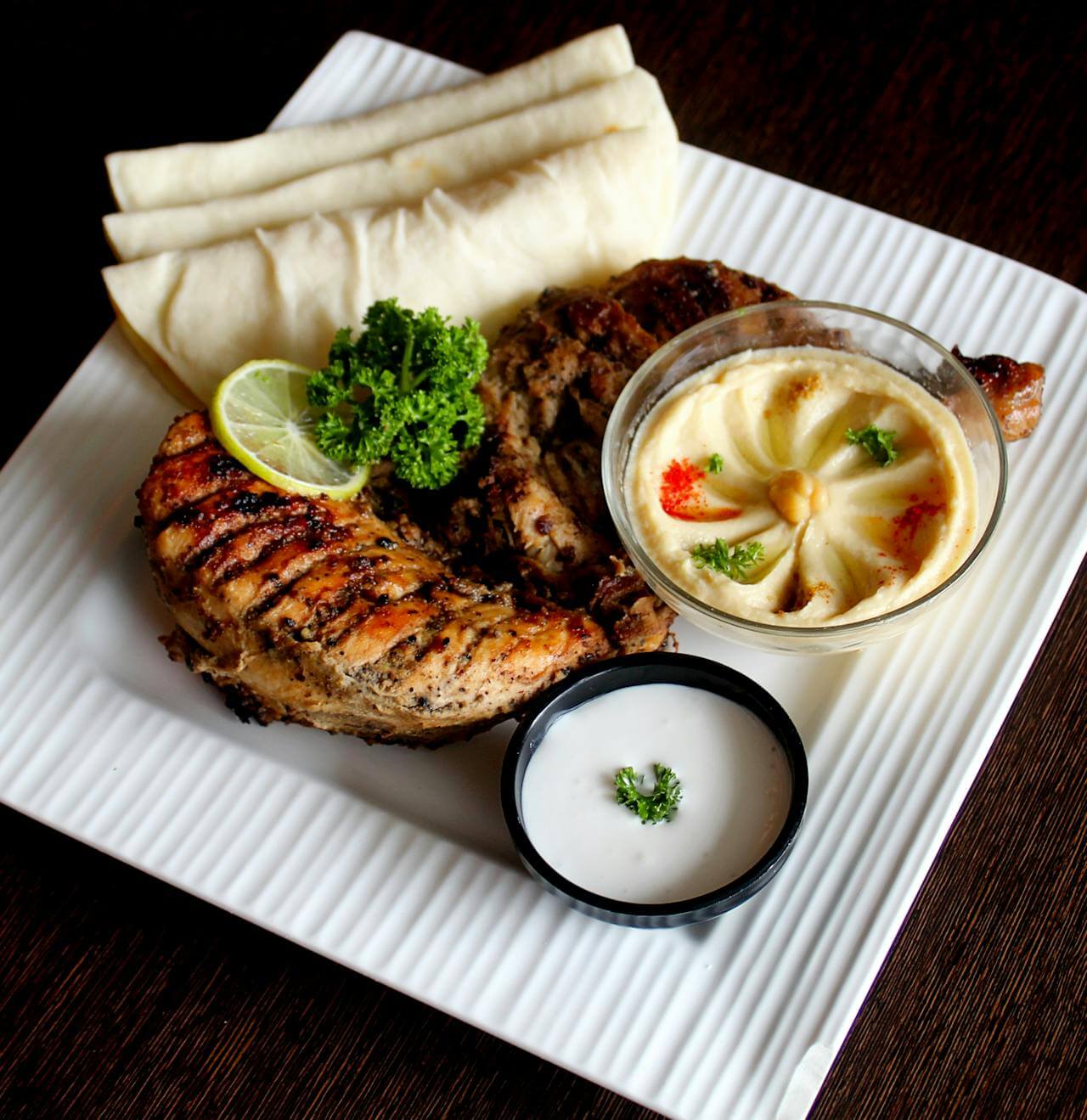
1 chicken breast (palm-sized)
1 can sardines + 1 egg
1 block tokwa + vegetables
1 can of tuna + 1 boiled egg
High Protein Foods for PCOS
1. Animal-based protein
Eggs
Chicken
Fish (bangus, sardines, tuna)
Lean pork or beef
2. Plant-based protein
Tofu (tokwa)
Lentils
Chickpeas
Monggo (mung beans)
Nuts and seeds
How to Build a High Protein PCOS Meal
It's best to try to keep it simple:
Start with a good Protein source (main focus)
Then pick your Carb options (rice, oats, kamote)
Some vegetables for your daily vitamins and minerals
Some healthy fats for your hormones
Here's an example:
Grilled chicken + brown rice + sautéed kangkong + a slice of avocado
7-Day High Protein PCOS Meal Plan (80–100g Protein Daily)
Before you start reading, make sure to check how much protein you actually need using our Free PCOS Macro Calculator.
This meal plan is pretty straightforward, it’s full of affordable meals with the daily protein already estimated for you. You can always swap things out once you get the hang of it.
Day 1 (~85g protein)
Breakfast: 2 eggs + Greek yogurt + banana
Lunch: Grilled chicken, brown rice, vegetables
Dinner: Sardines + boiled egg + sautéed kangkong
Day 2 (~90g protein)
Breakfast: Oatmeal + peanut butter + 2 eggs
Lunch: Tuna salad + boiled egg
Dinner: Tofu stir-fry + vegetables
Day 3 (~85g protein)
Breakfast: Smoothie with protein-rich yogurt + oats
Lunch: Sardines + brown rice + vegetables
Dinner: Chicken + sautéed cabbage
Day 4 (~95g protein)
Breakfast: 2 eggs + whole grain toast + peanut butter
Lunch: Grilled bangus + vegetables
Dinner: Tofu + egg + vegetable stir-fry
Day 5 (~90g protein)
Breakfast: Oats + yogurt + nuts
Lunch: Chicken and vegetable bowl
Dinner: Tuna + egg + sautéed vegetables
Day 6 (~85g protein)
Breakfast: Smoothie with oats, peanut butter, milk
Lunch: Sardines + rice + vegetables
Dinner: Vegetable omelet (2–3 eggs)
Day 7 (~80g protein)
Breakfast: Oatmeal + 2 eggs
Lunch: Grilled chicken + vegetables
Dinner: Tofu + vegetable stir-fry
High Protein Breakfast Ideas for PCOS
Eggs + toast + avocado
Oats + peanut butter + yogurt
Smoothie with oats and milk
Vegetable omelet
Breakfast is where most people fall short on protein. Fixing this makes a big difference.
High Protein Snacks for PCOS
Hard Boiled eggs
Greek yogurt (a bit expensive)
Mixed Nuts (small portion)
I suggest buying Grab Nuts almonds or cashews from Oishi
Tuna or sardines
I highly recommend Gold Seas tuna, it uses olive oil and the spring water option is lower in calories.
Protein Shake
I highly recommend the protein shake option.
Just throw in some fruit, like bananas for potassium, 200ml of low-fat milk, and a protein powder like chocolate or mocha. Once blended, it tastes sooo much better than just mixing protein powder with water.
If you want an upgraded version, check this out. I made this for my girlfriend when we were about to go for a 10k fun run during Women's Run PH 2026.
Before the event, I made some strong overnight oats that wouldn't make her feel bloated but would give her enough energy. It’s the same as above, but this time I added 14g of chia seeds. It sounds expensive, but there are affordable options on Shopee and Lazada.
Next, I added 50g of rolled oats for more fiber, 2 teaspoons of Ricoa cocoa for flavor, and my go-to protein powder: Rule 1 Choco Fudge. Alternatively, you can go for brands like Wheyl Co.
Anyhow, if you want to try it here's the list:
50g Rolled Oats: Shoppe/Lazada
Chia Seeds: Shoppe/Lazada
Protein Powder: Rule 1 or Wheyl Co.
Low-Fat Milk: I prefer Selecta since it’s low in sugar, but you can swap this for any milk brand or type.
2 teaspoon of Ricoa Cocoa: Buy this at a wet market since the markup is lower than in supermarkets. Alternatively, you can find it on Shopee/Lazada.
Common Mistakes on a High Protein PCOS Diet
Still eating mostly carbs with little protein
Carbs isn't bad don't get me wrong but keep it balance and make sure it's high in fiber.
Skipping protein at breakfast
If there’s one time I’d recommend eating as much protein as possible, it would be breakfast. It keeps you feeling full almost the entire day.
Not eating enough vegetables
Don't be silly, you don't forget you still need other vitamins and minerals in your body.
Who This High Protein PCOS Meal Plan Is Best For
This approach works well if you:
feel hungry often
struggle with cravings
want to support weight loss
need more stable energy
How This Compares to Other PCOS Meal Plans
A low carb PCOS meal plan and keto PCOS meal plan reduces carbs more strictly
A vegetarian PCOS meal plan relies more on plant protein
A pescatarian PCOS meal plan includes fish but less meat
This high protein plan focuses on satiety and appetite control. This is also great when it comes to muscle recovery after hitting the gym and goes hand-in-hand with marathon running pcos meal plan.
Final Thoughts
A high protein PCOS meal plan doesn’t need to be complicated.
Focus on:
protein in every meal
simple, repeatable foods
balanced plates
That consistency makes it easier to manage hunger and stay on track.
This article is for educational purposes only and is not a substitute for medical advice. If you have PCOS, diabetes, nutrient deficiencies, or are taking medication, speak with a qualified healthcare professional before making major diet changes.