
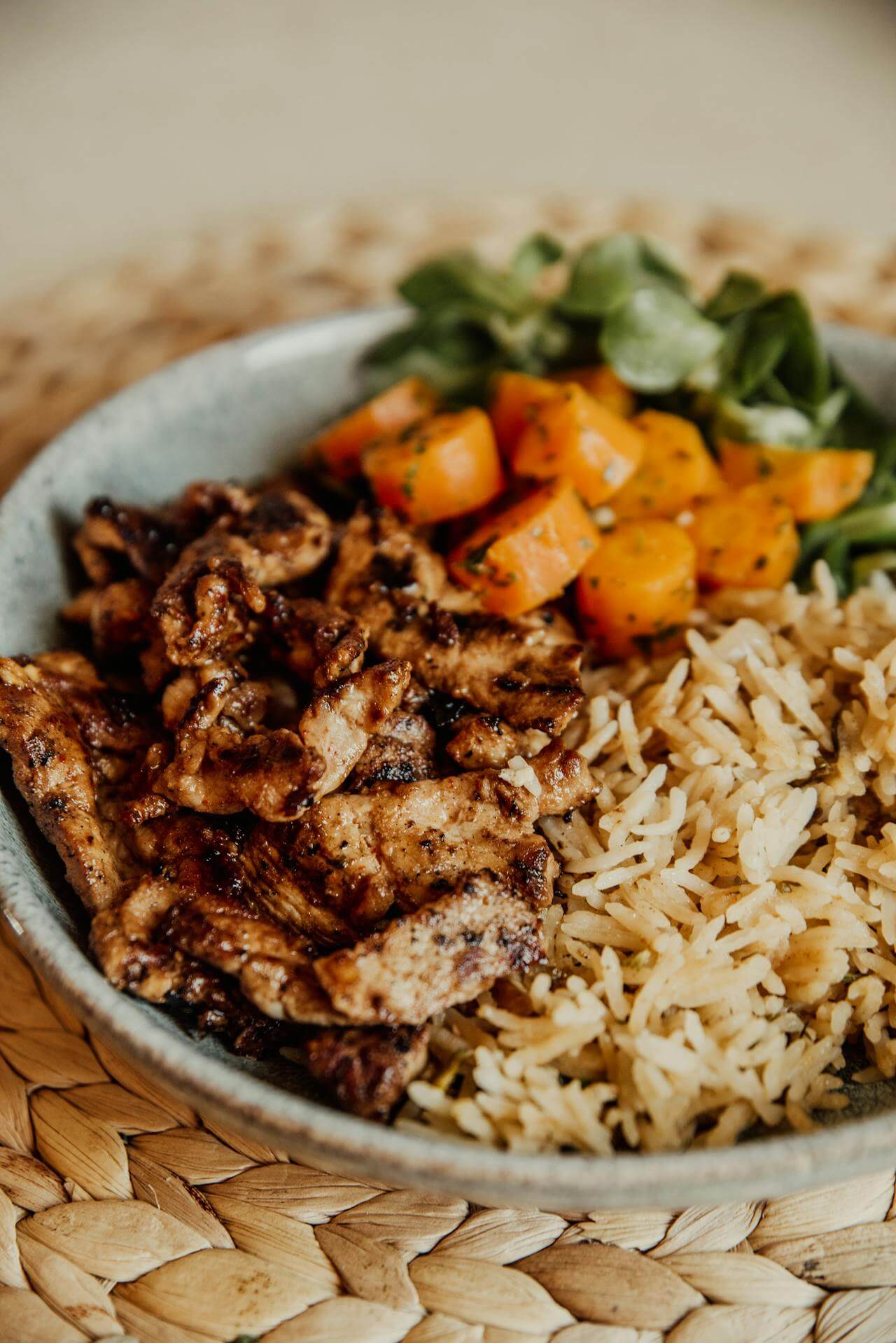
If you’re searching for an anti-inflammatory PCOS meal plan, you’re probably dealing with symptoms like fatigue, acne, cravings, or weight changes.
PCOS is often linked to low-grade inflammation, which can affect insulin levels and hormone balance. The way you eat can help support both.
This guide covers:
a 7-day anti-inflammatory PCOS meal plan
foods that may help reduce inflammation
simple ways to build more balanced meals
How Inflammation Affects PCOS
Inflammation plays a role in how PCOS shows up.
It’s linked to:
insulin resistance
hormone imbalance
weight gain
fatigue
When meals are high in refined carbs and processed foods, it can make these issues harder to manage.
Food won’t fix everything, but it can support more stable energy and fewer spikes in blood sugar.
If your main focus is blood sugar, your low GI PCOS meal plan or low carb PCOS meal plan goes deeper into that.
What an Anti-Inflammatory PCOS Diet Looks Like
You don’t need anything complicated.
Most anti-inflammatory eating patterns focus on:
vegetables
whole foods
healthy fats
steady, balanced meals
This is very similar to a Mediterranean-style way of eating.
What are the Best Anti-Inflammatory Foods for PCOS
Healthy fats
Olive oil
Avocado
Nuts and seeds
Omega-3 foods
Sardines
Bangus
Tuna
Chia seeds
Flaxseeds
Vegetables
Kangkong
Malunggay
Spinach
Cabbage
Broccoli
Fruits
Berries
Apples
Citrus fruits
Whole food carbs
Brown rice
Adlai
Oats
Kamote
Herbs and spices
Turmeric
Ginger
Garlic
What are Foods That May Increase Inflammation
You don’t need to remove these completely, but keeping them occasional helps.
Sugary drinks
Refined carbs like white bread and pastries
Fried food
Processed snacks
Processed meats
If rice is your biggest concern, your white rice alternatives guide can help you adjust portions or try other options.
How to Build an Anti-Inflammatory Meal
When making an anti-inflammatory meal plan just try to keep it simple. Each of your meals should include:
protein
carbs
vegetables
healthy fats
Example: Grilled fish + brown rice + sautéed vegetables + olive oil
If you struggle with hunger, your high protein PCOS meal plan can help you adjust your meals.
7-Day Anti-Inflammatory PCOS Meal Plan
Here's a simple meal plan you can try, it focuses on anti-inflammatory whole foods that may help support hormone balance, stable blood sugar, and reduced PCOS-related inflammation. These tasty meals include fiber-rich carbohydrates, omega-3 fats, lean protein, and antioxidant-rich vegetables.
Day 1
Breakfast
Rolled oats cooked in unsweetened almond milk with chia seeds, blueberries, strawberries, cinnamon, and crushed walnuts
Lunch
Garlic calamansi grilled bangus with brown rice and sautéed kangkong, tomatoes, and onions cooked in olive oil
Dinner
Chicken tinola with skinless chicken breast, green papaya, ginger, chili leaves, and fresh malunggay
Day 2
Breakfast
2 eggs with toasted whole grain bread, avocado slices, cherry tomatoes, and black pepper
Lunch
Tuna salad with lettuce, cucumber, tomatoes, red onions, boiled egg, pumpkin seeds, and olive oil-calamansi dressing
Dinner
Tofu and vegetable stir-fry with broccoli, carrots, mushrooms, snow peas, garlic, ginger, and sesame oil
Day 3
Breakfast
Anti-inflammatory smoothie with rolled oats, saba banana, flaxseeds, spinach, cinnamon, and unsweetened soy milk
Lunch
Sardines in olive oil with brown rice and sautéed pechay, carrots, and garlic
Dinner
Vegetable omelet with spinach, mushrooms, tomatoes, onions, and bell peppers served with cucumber salad
Day 4
Breakfast
Warm oats topped with almonds, walnuts, diced green apples, chia seeds, and cinnamon
Lunch
Herb-grilled tilapia with mixed vegetable salad made with lettuce, cucumber, tomatoes, carrots, and olive oil vinaigrette
Dinner
Tofu sautéed with cabbage, carrots, mushrooms, garlic, turmeric, and onions
Day 5
Breakfast
Whole grain toast with mashed avocado, soft-boiled egg, chili flakes, and sliced tomatoes
Lunch
Chicken vegetable bowl with grilled chicken breast, brown rice, roasted squash, broccoli, cucumber, and garlic yogurt dressing
Dinner
Salmon sinigang with kangkong, radish, okra, sitaw, eggplant, and tomatoes
Day 6
Breakfast
Berry chia smoothie with strawberries, blueberries, chia seeds, flaxseeds, spinach, and unsweetened almond milk
Lunch
Sardines with brown rice and sautéed kangkong with garlic, onions, and tomatoes
Dinner
Hearty vegetable soup with tofu, cabbage, celery, carrots, sayote, ginger, and malunggay leaves
Day 7
Breakfast
Creamy oatmeal with walnuts, almonds, pumpkin seeds, cinnamon, and unsweetened soy milk
Lunch
Grilled chicken breast with roasted zucchini, cauliflower, carrots, and garlic brown rice
Dinner
Asian-style tofu stir-fry with bok choy, mushrooms, bell peppers, garlic, ginger, and sesame oil
What are Anti-Inflammatory Breakfast Ideas
Berry Oatmeal with Seeds
Rolled oats cooked in unsweetened almond milk topped with chia seeds, flaxseeds, blueberries, strawberries, walnuts, and cinnamon
Eggs with Avocado Breakfast Plate
Scrambled or boiled eggs served with avocado slices, cherry tomatoes, sautéed spinach, and black pepper
Anti-Inflammatory Oat Smoothie
Smoothie made with rolled oats, flaxseeds, spinach, saba banana, cinnamon, chia seeds, and unsweetened soy milk
Whole Grain Toast with Natural Peanut Butter
Toasted whole grain bread topped with all-natural peanut butter, sliced green apples or bananas, chia seeds, and a sprinkle of cinnamon
What are Common Mistakes
eating mostly refined carbs
skipping vegetables
relying on processed “healthy” foods
not eating enough protein
Simple meals done consistently matter more than perfect meals.
Who This Meal Plan Is Best For
This works well if you:
feel tired or inflamed often
want a balanced, flexible way of eating
prefer simple, home-cooked meals
How This Meal Plan Fits with Other Meal Plans
low carb PCOS meal plan focuses more on reducing carbs
low GI PCOS meal plan focuses on slower-digesting carbs
high protein PCOS meal plan focuses on appetite and fullness
pescatarian PCOS meal plan includes more fish and omega-3s
This plan focuses on overall balance and reducing inflammation through food.
Final Thoughts
An anti-inflammatory PCOS meal plan is about consistency.
Focus on:
whole foods
balanced meals
simple routines
You don’t need a strict diet. You need something you can follow regularly.